

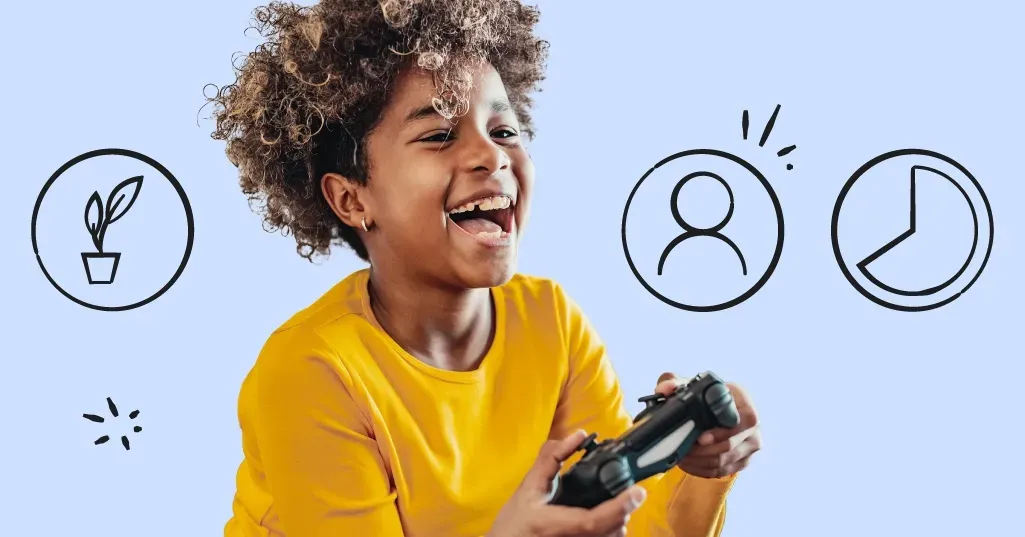
Healthy gaming habits provide a practical framework for enjoying your favorite games while protecting your body and mind. By prioritizing gaming wellness and setting clear boundaries, you can sustain focus, mood, and energy across longer play sessions. In this guide, you’ll learn how to structure playtime with balanced playtime blocks and regular breaks for long-term success. These practices support sleep quality, posture, hydration, and social connection, so gaming remains fun rather than draining, and helps you stay steady at work, school, and relationships. By combining practical strategies with a mindful attitude, you’ll build a sustainable routine that fits your life and goals over time.
Viewed through the lens of digital wellbeing, these ideas translate into sustainable play patterns that support alertness, mood, and recovery after sessions. From a broader perspective, gamer wellness emphasizes steady routines, ergonomic considerations, and mindful engagement during play. This approach also highlights healthy screen habits, regular breaks, posture optimization, and social connection as essential tools for long-term performance. By reframing the topic with terms like mindful engagement, balanced schedules, and ergonomic setups, you can cultivate a healthier relationship with games without sacrificing fun.
Healthy gaming habits: Balancing Playtime, Sleep, and Social Connection
Healthy gaming habits form a flexible framework for sustainable play. When you prioritize sleep, movement, nutrition, and social connection, you’ll experience sharper focus, fewer mood dips, and faster recovery after long sessions. This approach aligns with gaming wellness principles that emphasize balance, self-awareness, and proactive boundary-setting, ensuring gaming remains a source of joy rather than a source of strain.
To translate these ideas into daily life, structure play into planned blocks with built-in breaks and clear boundaries to support balanced playtime. Hydrate regularly, snack with protein and fiber, and set a timer to enforce pauses. Practice mindful gaming by briefly checking in with mood and energy during each session, then use a wind‑down routine and screen time management steps to separate gaming from sleep and other responsibilities.
Ergonomic setup and mindful practices for long-term gaming longevity
An ergonomic gaming setup starts with a chair that supports the lower back, a desk at the right height, and a monitor positioned so your eyes gaze slightly downward. Position the keyboard and mouse to keep wrists straight, and ensure lighting reduces glare to minimize eye strain. These choices reduce neck and shoulder tension and create a comfortable, durable ergonomic gaming setup for long sessions.
Mindful gaming practices complement hardware by helping you notice signs of fatigue, irritability, or strained posture. Take scheduled breaks, use breathing exercises before and after intense moments, and practice screen time management to protect sleep quality. Together, ergonomic setup and mindful gaming form a sustainable routine that supports gaming wellness, focus, and longevity.
Frequently Asked Questions
What are healthy gaming habits to balance playtime with wellbeing, and how can an ergonomic gaming setup support this?
Healthy gaming habits balance playtime with wellbeing. An ergonomic gaming setup supports neutral posture and reduces fatigue, which is essential for gaming wellness. Practical steps: structure sessions into 25–40 minute blocks with 5–10 minute breaks; position your chair, desk, and monitor for neutral posture with eyes slightly downward and wrists straight; use an external keyboard and mouse when possible; ensure good lighting to minimize glare; stay hydrated and eat regular meals; track your sessions to maintain balanced playtime across days and weeks.
How can mindful gaming and screen time management improve gaming wellness and sleep quality?
Mindful gaming and screen time management help protect mood, focus, and sleep. Start with a wind-down routine that reduces blue-light exposure and sets a nightly screen cut-off; replace late-night screens with relaxing activities. During gaming, practice mindful gaming by checking in with mood and energy and using short breathing resets to stay calm. Use reminders to pause, track daily screen time, and balance gaming with offline activities and social connections. These practices support gaming wellness and better sleep quality.
| Key Point | Summary |
|---|---|
| Definition & Purpose | Healthy gaming habits provide a framework to balance enjoyable play with sleep, movement, nutrition, and social connection for sustainable wellbeing. |
| The Science Behind Healthy Gaming Habits | Regular rhythms, breaks, sleep influence mood, reaction time, and concentration; mindful gaming helps detect strain early. |
| Balanced Playtime Structure | Structure sessions with timers and breaks (e.g., 25–40 min play, 5–10 min breaks) to sustain focus and reduce discomfort. |
| Ergonomics & Environment | Supportive chair, correct desk height, monitor at eye level, neutral posture, and good lighting to minimize strain. |
| Mindful Gaming & Mental Wellness | Notice mood and energy during play; use breathing or brief pauses to reset and maintain a healthy mindset. |
| Screen Time & Sleep | Wind-down routines, limit blue light, and set a nightly screen curfew to protect sleep quality. |
| Hydration & Nutrition | Choose balanced snacks, stay hydrated, and avoid energy crashes that impair cognition and reflexes. |
| Social Connection & Emotional Health | Foster positive communities, set boundaries with toxicity, and schedule offline time to support wellbeing. |
| Tools & Resources | Use screen-time trackers, break reminders, posture tools, blue-light filters, and habit trackers to reinforce healthy patterns. |
| Implementing as a Lifestyle | Start small with one or two changes, test for two weeks, then expand as you feel comfortable and track progress. |
Summary
HTML table provided above summarizes key points of Healthy Gaming Habits in English. The conclusion follows to reinforce the topic.
