

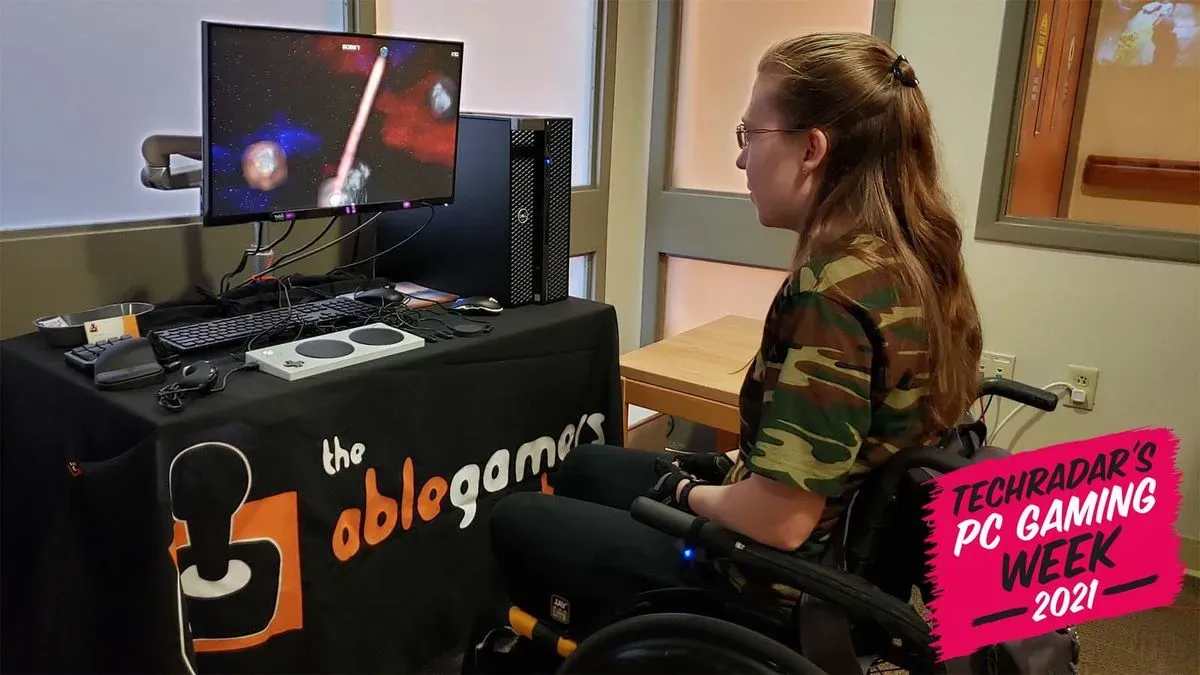
Accessibility in gaming has moved from a theoretical ideal to a practical, marketable standard, reframing how developers approach everything from core mechanics to post-launch updates, and as titles grow more expansive and players demand deeper immersion, accessibility becomes a competitive differentiator that expands audiences, reduces onboarding friction, and strengthens long-term engagement, a shift powered by better tooling, clearer guidelines, and a growing recognition that inclusive experiences unlock value for players and studios alike, while signaling to partners and platforms that accessibility is a design discipline that can drive innovation, brand loyalty, and responsible growth across genres and regions.
Within this new landscape, inclusive design acts as a foundational philosophy rather than a set of add-ons, guiding how interfaces, pacing, and feedback loops accommodate diverse abilities from the ground up, influencing decisions about information density, error recovery, tutorial clarity, layout consistency, and the timing of optional guidance so that newcomers can learn without feeling overwhelmed while experienced players can push toward mastery.
Developers can then translate that philosophy into tangible choices, such as accessible gaming features that let players remap controls, tailor text sizes, adjust contrast, and tune audio to their environments without sacrificing challenge or personality, while also considering rhythm, latency, and cognitive load to ensure that the game remains responsive under real-world conditions and across different input devices, including keyboards, gamepads, touch screens, and adaptive hardware.
Following gaming accessibility guidelines provides a clear benchmark for evaluating progress, guiding iteration with diverse testers, and demonstrating to players, publishers, and platform holders that features scale across devices and contexts, that localization and cultural nuance support understanding, and that critical moments like combat, dialogue, and exploration remain legible, reachable, and enjoyable even when constraints undermine traditional sensory channels.
Ultimately, embracing this approach not only reduces friction and broadens reach but also elevates the overall experience, inviting a wider range of players to invest time, energy, and advocacy in games that feel designed for everyone, while turning accessibility from a compliance checkbox into a source of creative tension, collaboration, and sustained competitive advantage across the industry.
Accessibility in gaming: Building Inclusive Experiences for All Players
Accessibility in gaming is not a single feature but a design discipline that should be woven into the core product. By embracing inclusive design from the earliest concept phases, teams address a broad spectrum of needs—cognition, motor control, vision, and hearing—through predictable UI layouts, legible typography, adjustable pacing, and robust input options. When games accommodate diverse players, they become easier to learn, faster to enjoy, and more welcoming to newcomers and veterans alike.
Implementing accessible gaming features also supports universal design in games, enabling players to tailor experiences with remappable controls, high-contrast visuals, scalable subtitles, and captions that convey emotion and ambient cues. Aligning with gaming accessibility guidelines ensures consistency across platforms and products, while assistive technology in games increases compatibility when the game exposes clear UI semantics and accessible states.
Universal design in games: A Practical Roadmap to Accessible Features
From a business perspective, universal design in games is a strategic asset. Titles that offer flexible difficulty, clear navigation, and configurable accessibility options tend to reach broader audiences, improve retention, and generate positive word of mouth. Prioritizing accessible gaming features early also reduces costly rework and positions a studio as a trustworthy brand that cares about all players and communities.
To implement this roadmap, start with an accessibility audit, then expand to configurable settings, localization, and ongoing support. Use gaming accessibility guidelines as a baseline, test with players who rely on assistive technology in games, and monitor task success and satisfaction. A commitment to inclusive design—supported by real-world case studies—demonstrates a tangible path from theory to measurable outcomes and long-term success.
Frequently Asked Questions
What does Accessibility in gaming really mean, and how do inclusive design and universal design in games improve the experience?
Accessibility in gaming is a broad design goal that goes beyond subtitles or color options. It includes inclusive design principles and universal design in games, enabling players to tailor the experience with features like remappable controls, scalable UI, high-contrast visuals, captioning, and adjustable pacing. By considering cognitive load, motor control, hearing, and vision from the start, games can be accessible via built-in options rather than as afterthoughts, benefiting players who rely on assistive technology in games and customized control schemes. In short, accessible gaming features expand the audience, improve retention, and deliver a higher-quality experience for all players.
How can teams implement universal design in games and follow gaming accessibility guidelines to deliver inclusive experiences?
Start with an Accessibility Audit to identify the biggest barriers across UI, combat, and tutorials, then map them to a practical backlog. Implement configurable accessibility settings (text size, contrast, captions, motion reduction, and robust input remapping) and ensure presets per profile or mode. Support diverse input methods (keyboard/mouse, gamepad, touch, eye-tracking, switches) and design UI with legible typography and non-color cues. Finally, integrate assistive technology in games early, test with real users, and follow gaming accessibility guidelines to drive continuous improvement.
| Topic | Key Points |
|---|---|
| Definition & Scope | Accessibility in gaming is broader than subtitles or colorblind mode; it aims to reduce barriers and tailor experiences using flexible input, legible UI, adjustable difficulty, pacing, and consideration of cognitive load, motor control, hearing, and vision from the start. |
| Why Inclusive Design Matters | Inclusive design benefits all players by improving learnability, readability, and enjoyment; it expands the audience, strengthens retention, and is a strategic enhancement rather than a niche requirement. |
| Core Areas (Overview) | Input & Controls: remapping, diverse input devices, customization; Visual: legible text, contrast, captions; Audio: captions, descriptive audio, separate audio controls; Cognitive & Learnability: clear instructions, predictable layouts; Motion & Sensory: reduce motion, stable frame rate, limit camera effects. |
| Assistive Technology | Supports such as screen readers, magnification, voice control, and alternative inputs; requires clean UI semantics, proper localization, and accessible game states announced in real time; early integration improves experience. |
| Testing & Guidelines | Involve players with disabilities early and throughout development; combine automated checks with closed/open beta tests; document findings and implement actionable design changes; follow evolving gaming accessibility guidelines. |
| Roadmap & Practical Implementation | Audit baseline; provide relaxed modes and difficulty tuning; offer configurable accessibility settings; apply UI/UX best practices; ensure localization; maintain ongoing support and community feedback; learn from real-world examples; frame accessibility as a business strategy. |
| Business Case | Accessibility features can expand markets, improve satisfaction, and reduce churn; upfront investment in inclusive design yields long-term benefits and a larger, more loyal player base. |
Summary
The table above highlights the core ideas from the base content on Accessibility in gaming, including definitions, why inclusive design matters, core design areas, assistive technology, testing, practical implementation, and the business case.
